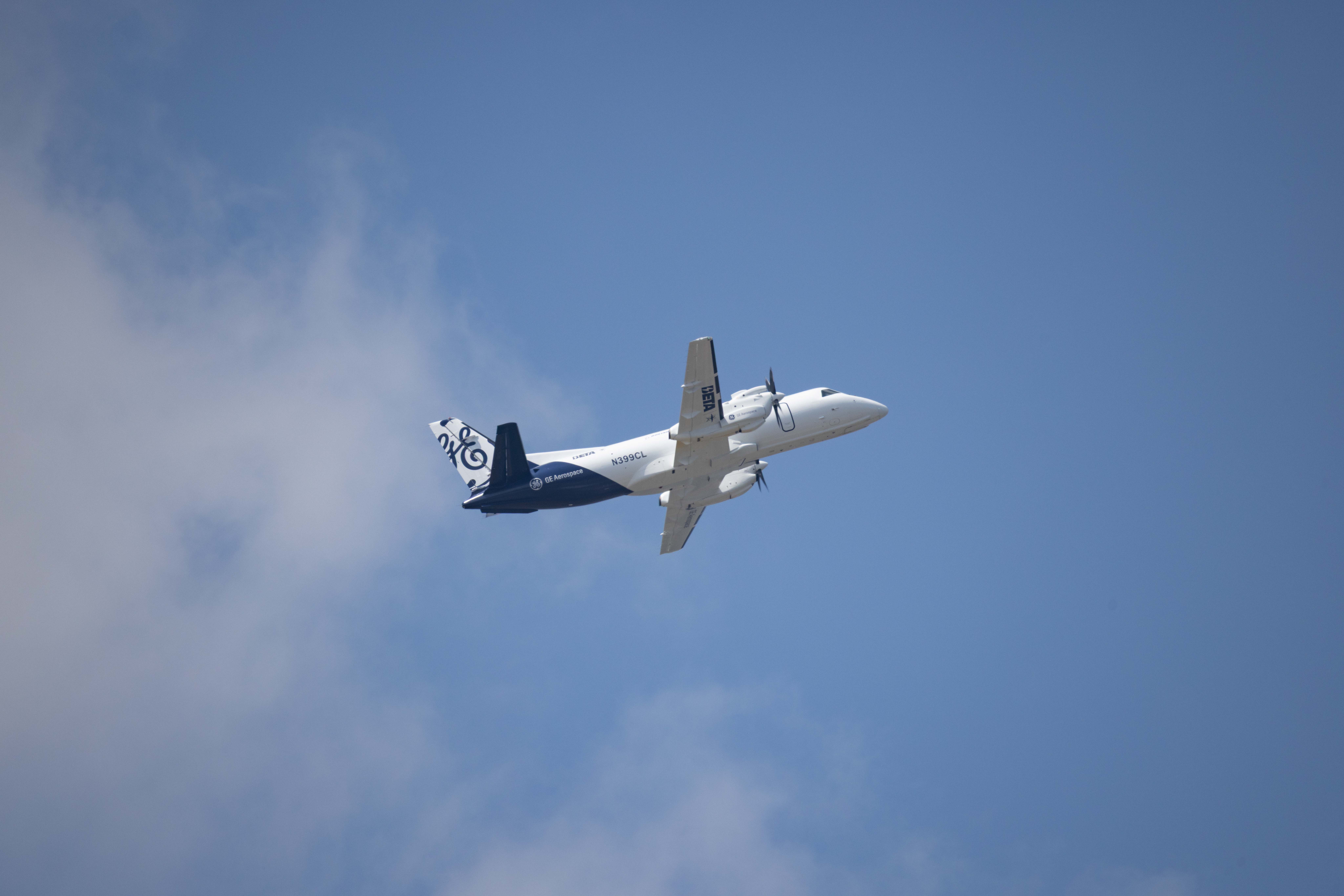
Behind GE Aerospace’s EPFD milestone at Farnborough: Avio Aero’s role in hybrid-electric flight
July 31, 2026 | by Stefano Rostagno
When GE Aerospace’s hybrid electric aircraft took to the skies at the Farnborough International Airshow, it marked more than a successful series of flights. It was a visible sign of how hybrid-electric propulsion is moving from concept to reality and of the many engineering contributions required to make that progress possible.
The flight demonstrator leverages technologies developed through the NASA Electrified Powertrain Flight Demonstration (EPFD) project, designed to advance megawatt-class hybrid-electric technologies for future aircraft. The Farnborough flights followed the successful ground testing of the fully integrated hybrid-electric engine system combining motor/generators, power converters and inverters, controllers, propellers, gearboxes, a CT7 engine, batteries and a complete nacelle.
For Avio Aero, the achievement also tells a broader story. Behind the public demonstration was several years of work by teams contributing to four key areas: the combining gearbox, thermal management, engine dynamics and software controls. Together, those efforts show how specialized engineering expertise developed in Europe is helping shape the future of flight roadmap. Avio Aero’s experimental team also played a key role by assembling and testing the hardware prior to shipment, helping ensure readiness for integration into the overall propulsion system.
At the heart of EPFD is a parallel hybrid-electric propulsion architecture, which combines power from a conventional gas turbine with power from an electric machine. On paper, the concept is straightforward. In practice, making two power sources work together safely and efficiently in flight is a demanding systems-integration challenge.
One of Avio Aero’s most visible contributions was the combining gearbox, the component that merges power from the thermal engine and the electric machine into a single output stream. Designing it required far more than mechanical integration. The gearbox had to bring together two high-power inputs in a package that was compact, lightweight and suitable for flight — a challenge that called for deep expertise in transmission design, performance and interfaces.
For Avio Aero, a recognized center of excellence in transmission systems, that work built on long-established strengths while pushing into new territory.
" The EPFD flight is a powerful demonstration of how collaboration and advanced engineering can accelerate the development of new propulsion architectures. Avio Aero brought critical expertise to this effort – particularly in mechanical power transmission systems and engine integration – helping turn a complex concept into a flying reality" said Michele Gravina, Mechanical Systems Principal Engineer.
The team also played a central role in developing the integrated lubrication and cooling system needed for both the combining gearbox and the electric machine — a less visible contribution, but one that was equally critical. In a hybrid-electric propulsion system, thermal management is not a supporting detail. It is a prerequisite for performance and reliability. The system had to cool and lubricate key components effectively while fitting within the nacelle’s tight space, weight and interface constraints. That meant designing and integrating a complete architecture, including the oil tank, piping, sensors and supporting components, while also coordinating suppliers and procurement. Just as important, the effort challenged the team to build new skills and methods in a growing technology stream for the company. In that sense, EPFD was not only an engineering program, but also a learning journey.
"Hybrid-electric propulsion is not only about adding new components — it is about making the entire system work together reliably. Developing the lubrication and cooling solution for both the combining gearbox and the electric machine was a critical part of that challenge, and a valuable learning experience also for future applications." underlined Federico Leonardi, Fluid and Thermal System Design Sr. Engineering Manager.
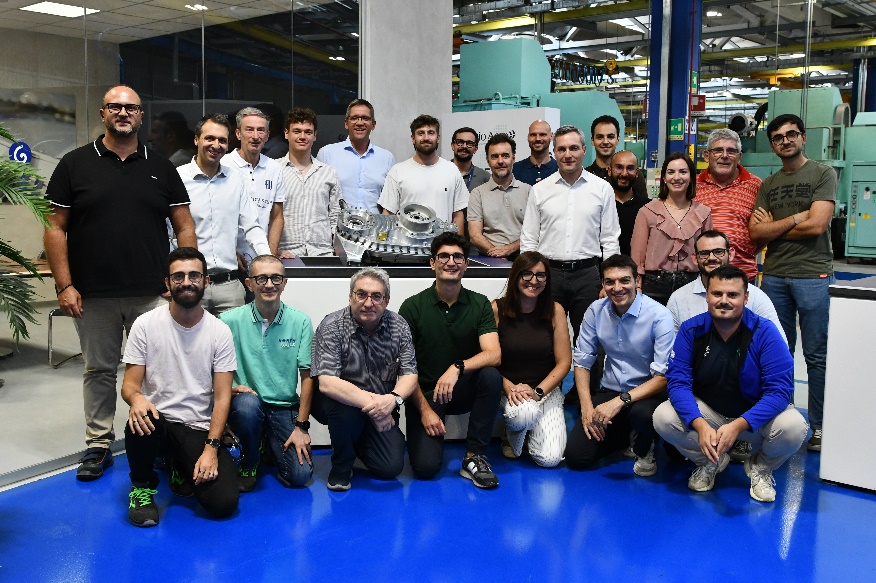
As the owner of engine dynamics, Avio Aero also led the assessment of the propulsion system’s dynamic behavior under operating and flight loads. “This work was essential not only to understand the interactions introduced by the hybrid-electric architecture, but also to optimize the mounting architectural layout for effective propulsion system integration within the nacelle—supporting safe and reliable operation.” said Matteo Furfaro, Engine Dynamics Senior Engineer.
Controls and software contributions included leading the design, development, and verification of the Fault Data and Mitigation Controller application software. Working with GE Aerospace controls colleagues, the team helped define the control logic, develop a highly configurable application for multiple test configurations, oversee operating system activities, and verify the software through customized processes aimed at achieving a flightworthy release. Taken together, those contributions went well beyond individual components. They reflected a system-level role in helping turn an ambitious concept into an integrated propulsion demonstrator ready for ground and flight test.
The program also became an important development opportunity for Avio Aero engineers. Teams worked at the edge of new technical territory, from gearbox integration under strict packaging and weight constraints to hybrid-electric thermal management and support for final test phases.
At the same time, EPFD brought organizational complexity as well as technical ambition. Collaboration across a worldwide team created real value, but it also demanded constant coordination, alignment and continuity across locations, disciplines and phases of the program. Over the years, the effort evolved in scope, structure, team composition and even naming, requiring the teams involved to adapt while keeping the work moving forward.
That challenge became even greater during the Covid period, when collaboration and execution were made more difficult by circumstances far beyond the program itself. The fact that the work continued and retained momentum through that period is part of the story too — one that speaks to the resilience of the people behind it.
In the end, one of EPFD’s most important outcomes is not only the demonstration at Farnborough, but the knowledge built along the way.
“Through this program, Avio Aero advanced its hybrid-electric propulsion capabilities, broadening its design and analysis expertise while deepening experience in a strategically important technology area. This effort also complemented Avio Aero’s wider involvement in European hybrid-electric initiatives, including AMBER. Together, the capabilities and know-how developed across these programs are creating a strong foundation for future technology integration and architecture optimization in next-generation hybrid-electric products.” concluded Andrea Milli, Hybrid Electric Systems Leader at Avio Aero.
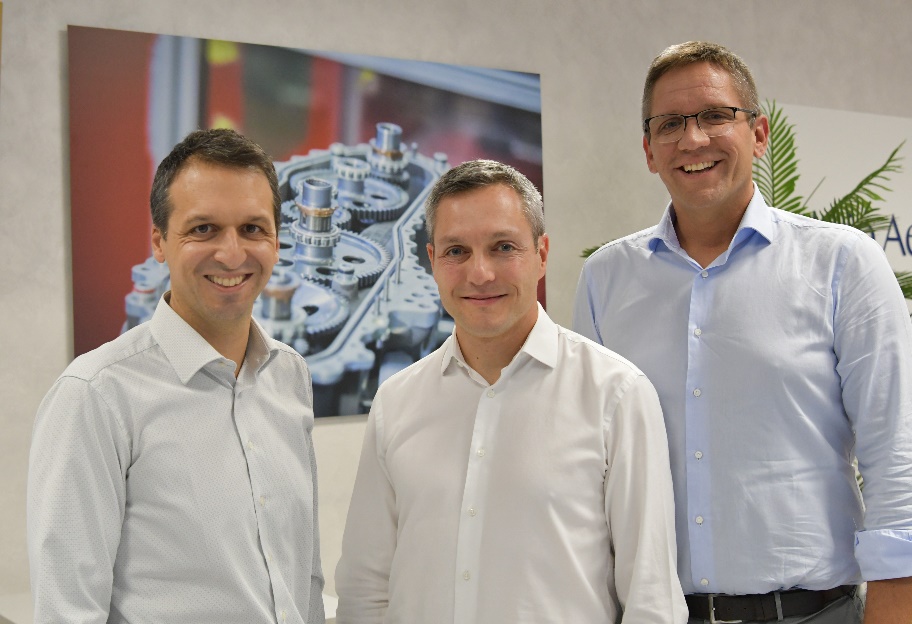
As GE Aerospace brings EPFD to Farnborough, Avio Aero’s contribution shows how advanced propulsion research depends not only on breakthrough ideas, but also on the expertise, discipline and collaboration required to make those ideas real.
See other posts
Avio Aero is a GE Aerospace company that designs, manufactures and maintains components and propulsion systems for civil and military aviation.